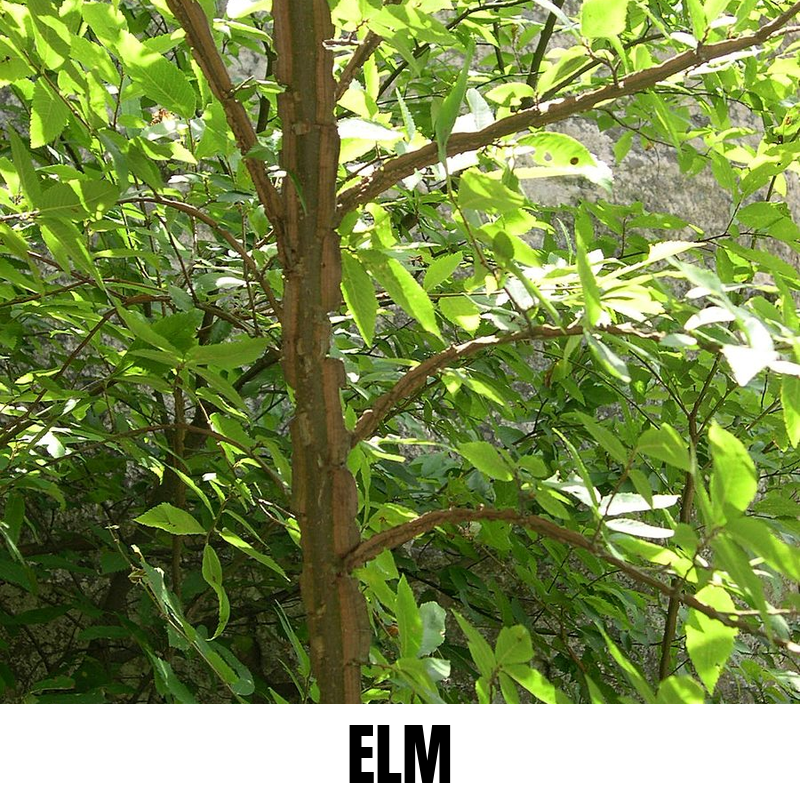
Brush - Range & Pasture - Elm (Winged and Cedar Elm)
BES-TEX BRUSH ID GUIDE
Elm
Winged Elm and Cedar Elm
Ulmus alata and Ulmus crassifolia
Plant Type
Tree; elm family (Ulmaceae)
Life Cycle
Perennial; native
Leaf Habit
Deciduous
Typical Height
Winged elm: up to 60 ft (Texas A&M)
Cedar elm: [PLACEHOLDER]
Photo Gallery



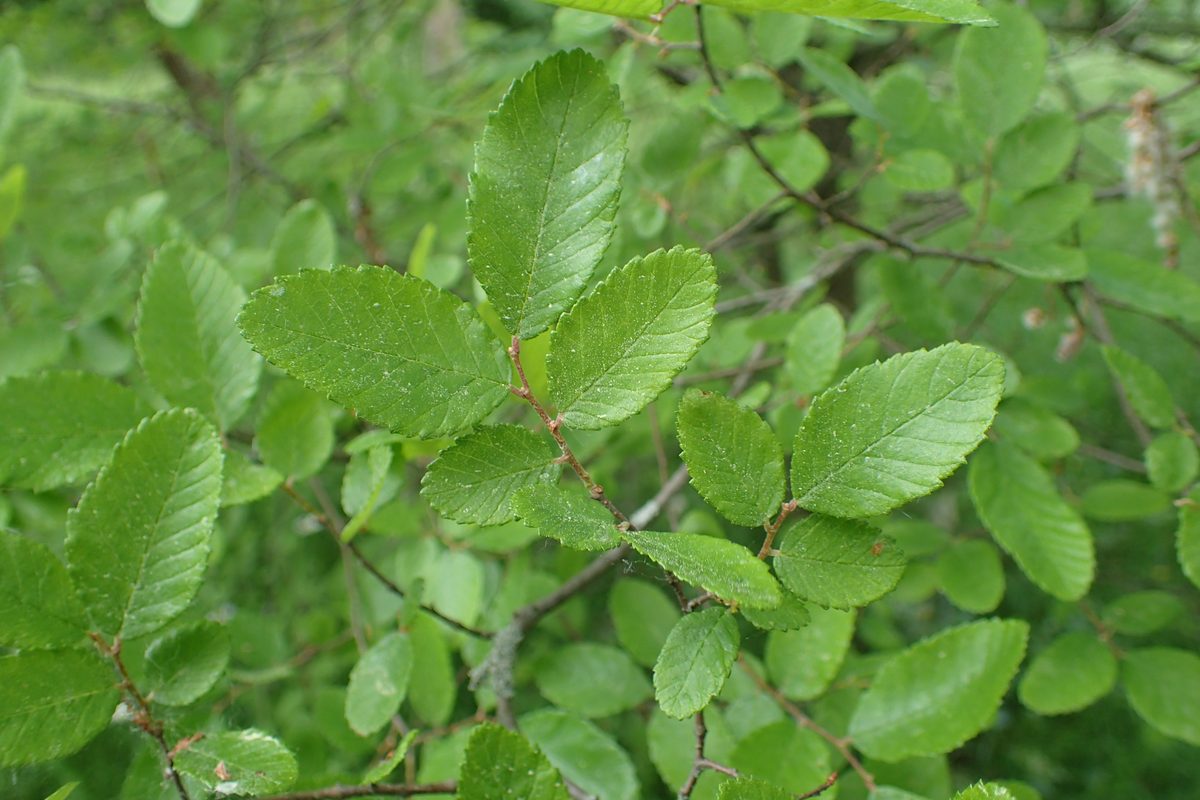

How to Identify It
Quick ID
Leaves
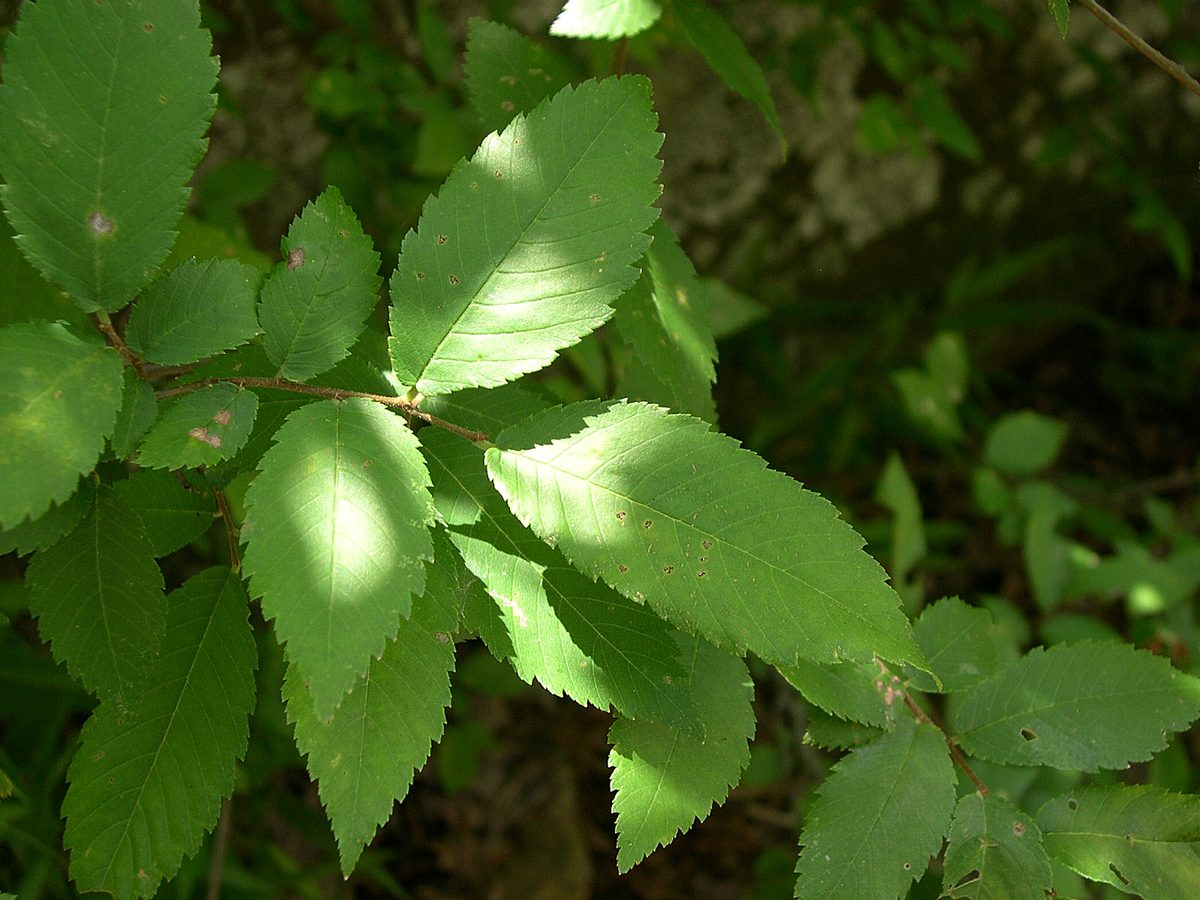
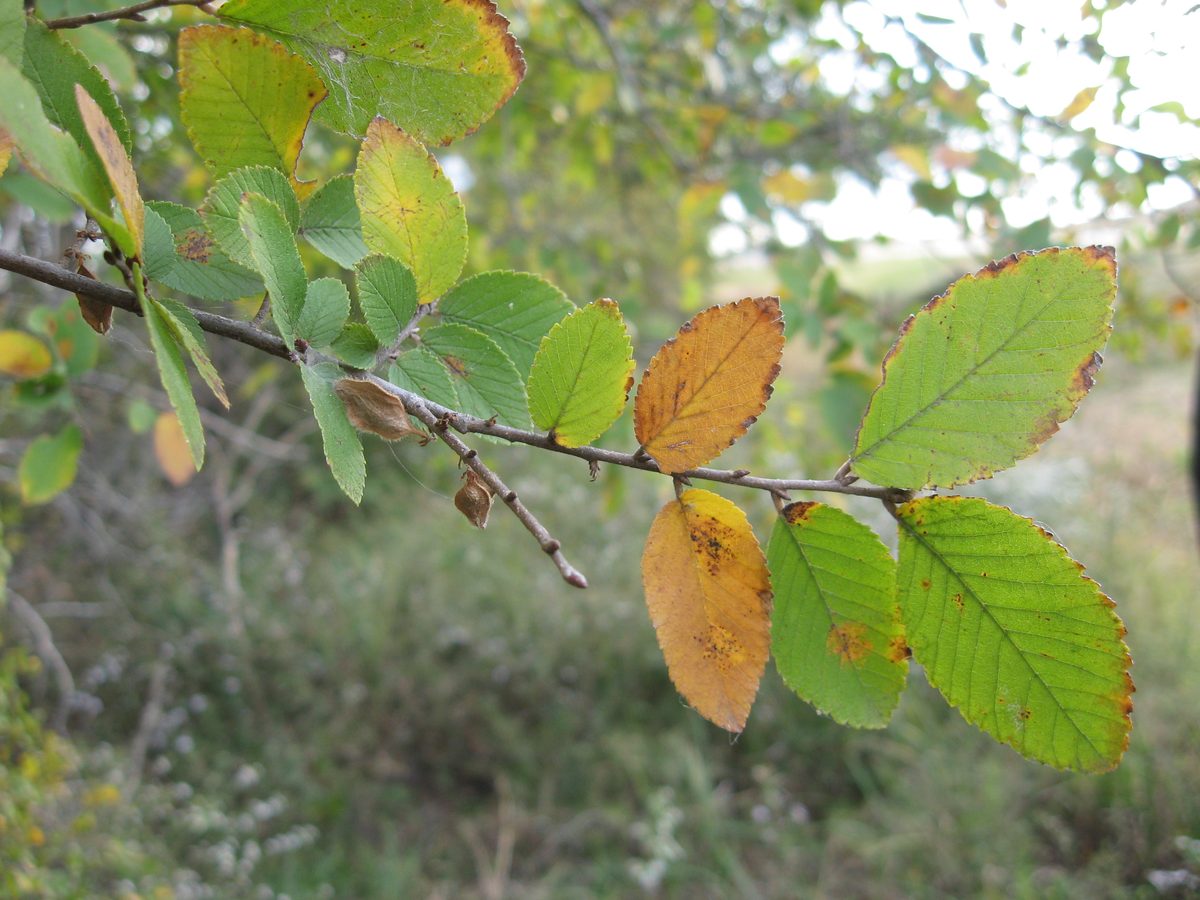
- Short stalks, heavily veined, sharply toothed
- Uneven leaf base (Texas A&M)
- Winged elm: doubly toothed, 1/3 to 3 inches long
Twigs
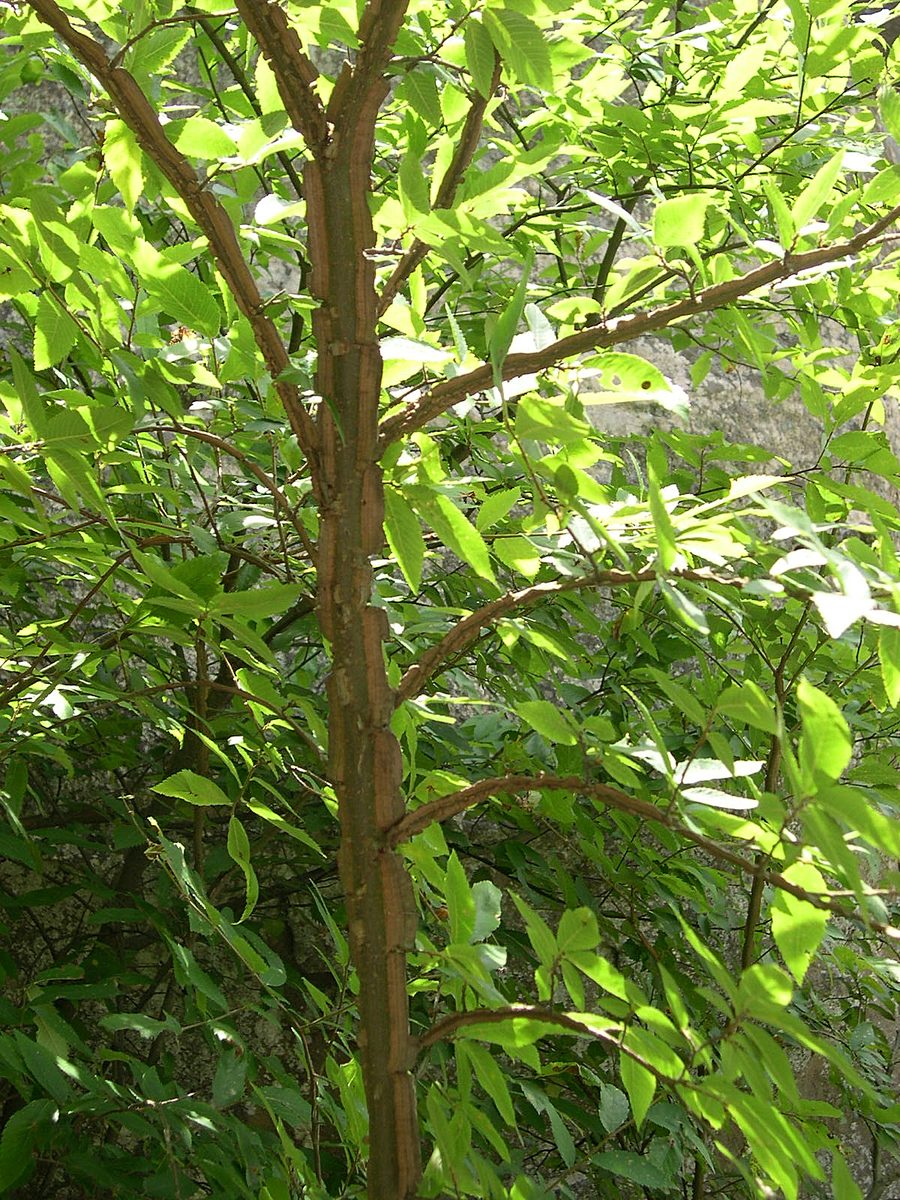
- Winged elm: corky wings on branches and stems (Texas A&M)
Seeds
- Winged seeds spread by wind (Texas A&M)
Bark
- Usually deep vertical furrows (Texas A&M)
Look-Alikes
Hackberry
- Hackberry leaves are sandpaper-rough with mostly smooth edges; elm leaves are sharply toothed with an uneven base (Texas A&M)
Cedar Elm vs. Winged Elm
- How to tell them apart: [PLACEHOLDER]
Counter script: "If it is a tree with sharply toothed, lopsided-based leaves and corky wings on the twigs, it is most likely winged elm."
Where It Grows
Texas
- Elms grow in most Texas ecoregions (Texas A&M)
- Winged elm: Pineywoods, Gulf Prairies, Post Oak Savannah, Blackland Prairies, Cross Timbers, Edwards Plateau (Texas A&M)
- Cedar elm: [PLACEHOLDER]
Oklahoma
- [PLACEHOLDER]
New Mexico
- [PLACEHOLDER]
Sites and soils: Moist areas along creeks, streams, and ponds, plus fence lines and old fields in East Texas; prefers neutral to acidic sands and sandy loams (Texas A&M).
Best Time to Control
The PastureGard HL label lists broadcast timing for elm from late spring through summer. Cut stump treatment can be done after cutting.
Elm is a woody perennial. No pre-emergent herbicide controls elm.
Treatment Methods
Cut Stump
- Cut every stem flat, close to (not below) the soil surface
- Brush off soil and sawdust, then spray the cut surface and the sides of the stump right away
- Example product: Remedy Ultra (Corteva); Brush Busters lists elm and winged elm for this method
- Mix (Brush Busters): Remedy Ultra 15% (19 oz per gallon) in diesel or vegetable oil
Foliar (Leaf) Spray
- Surmount (Corteva) lists elms
- PastureGard HL lists elm except winged elm: 0.5 to 1% + 1 qt nonionic surfactant per 100 gal (label)
Basal Bark (Stem) Spray
- Remedy Ultra and PastureGard HL list elm (except winged elm); follow the label
- Remedy Ultra alone only suppresses winged elm (Remedy Ultra label)
Individual Plant vs. Broadcast
- Density guidance for this plant: [PLACEHOLDER]
- Follow the label for broadcast use
Product names are examples only. Always read and follow the product label. For product selection and help, contact BES-TEX at 325.653.1300.
Sources: Brush Busters: How to Avoid Lumps When Treating Cut Stumps (Texas A&M AgriLife) for the Remedy Ultra mix; Surmount label, EPA Reg. No. 62719-480; PastureGard HL label, EPA Reg. No. 62719-637; Remedy Ultra label, EPA Reg. No. 62719-552; Texas A&M Plants of Texas Rangelands.