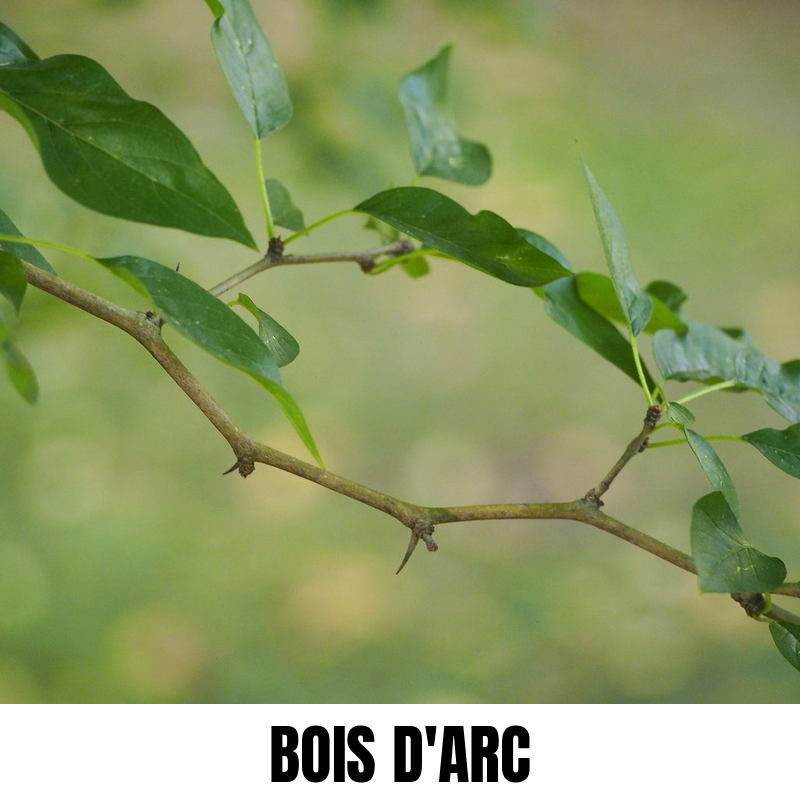
Brush - Range & Pasture - Bois d'Arc (Osage Orange)
BES-TEX BRUSH ID GUIDE
Bois d'arc (Osage Orange)
Osage Orange, Horse Apple
Maclura pomifera
Plant Type
Thorny tree; mulberry family (Moraceae)
Life Cycle
Perennial; native
Leaf Habit
Deciduous
Typical Height
Up to 60 ft (Texas A&M)
Photo Gallery


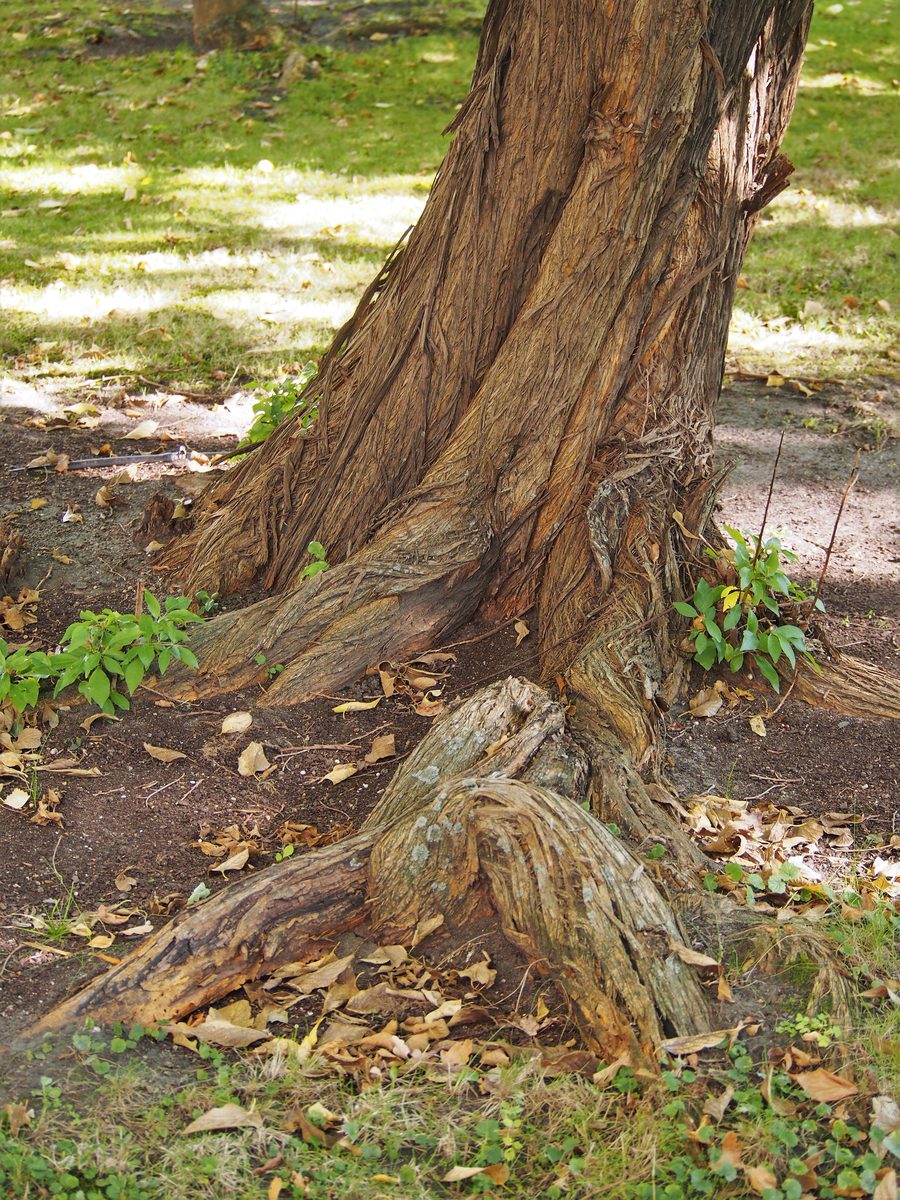

How to Identify It
Quick ID
Sap
- White, milky sap (Texas A&M)
Leaves
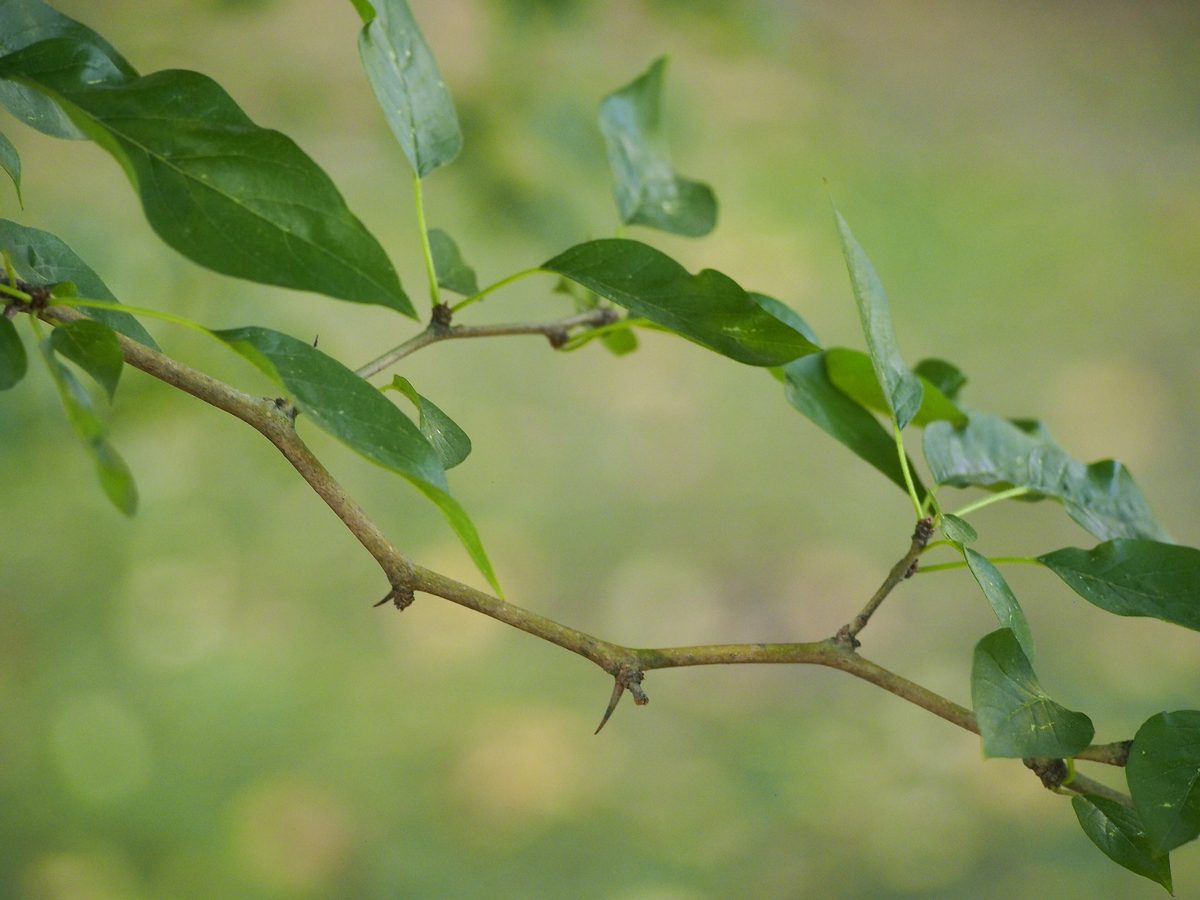
- Simple, alternate, 2 to 4 inches long
- Older leaves hairless and shiny (Texas A&M)
Thorns
- Stout spines where twigs meet branches (Texas A&M)
Fruit
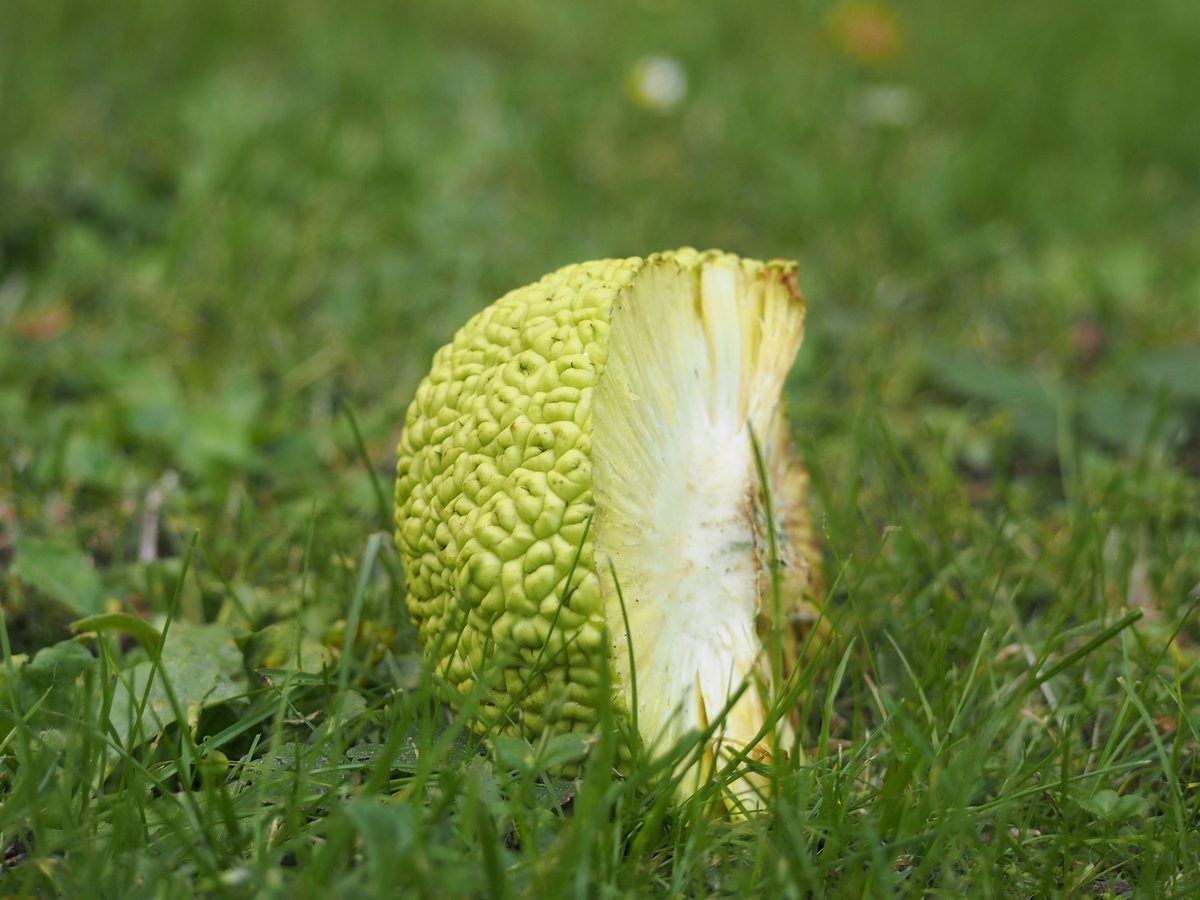
- Round, yellow-green, 4 to 5 inches across
- Bumpy compound fruit with milky juice (Texas A&M)
Look-Alikes
Mulberry
- How to tell it apart from bois d'arc: [PLACEHOLDER]
Counter script: "If it is a thorny tree with milky sap, shiny leaves, and big bumpy green balls for fruit, it is most likely bois d'arc."
Where It Grows
Texas
- Ecoregions (Texas A&M): Pineywoods, Gulf Prairies and Marshes, Post Oak Savannah, Blackland Prairies, Cross Timbers and Prairies, Edwards Plateau, Rolling Plains, Trans-Pecos
Oklahoma
- Throughout the state (OSU)
New Mexico
- [PLACEHOLDER]
Sites and soils: Deep, moist to semi-moist soils; favors rich clay soils. Once widely planted for windbreaks and hedgerows (Texas A&M).
Best Time to Control
The Surmount and PastureGard HL labels list broadcast timing for Osage orange from late spring through summer.
Bois d'arc is a woody perennial. No pre-emergent herbicide controls bois d'arc.
Treatment Methods
Foliar (Leaf) Spray
- Example products: Surmount or PastureGard HL (Corteva); Osage orange is listed on both labels
- PastureGard HL high-volume mix (label): 0.5 to 1% + 1 qt nonionic surfactant per 100 gal
Basal Bark (Stem) Spray
- Remedy Ultra and PastureGard HL list Osage orange
- PastureGard HL (label): 25% in oil; Remedy Ultra (label): 20 to 30% in oil
Cut Stump
- Cut every stem flat, close to (not below) the soil surface
- Brush off soil and sawdust, then spray the cut surface and the sides of the stump right away
- Example product: Remedy Ultra (Corteva); Brush Busters lists bois d'arc for this method
- Mix (Brush Busters): Remedy Ultra 15% (19 oz per gallon) in diesel or vegetable oil
Individual Plant vs. Broadcast
- Surmount and PastureGard HL are labeled for broadcast; follow the label
- Density guidance: [PLACEHOLDER]
Product names are examples only. Always read and follow the product label. For product selection and help, contact BES-TEX at 325.653.1300.
Sources: Brush Busters: How to Avoid Lumps When Treating Cut Stumps (Texas A&M AgriLife); Surmount label, EPA Reg. No. 62719-480; PastureGard HL label, EPA Reg. No. 62719-637; Remedy Ultra label, EPA Reg. No. 62719-552; Texas A&M Plants of Texas Rangelands; Oklahoma State University Extension.