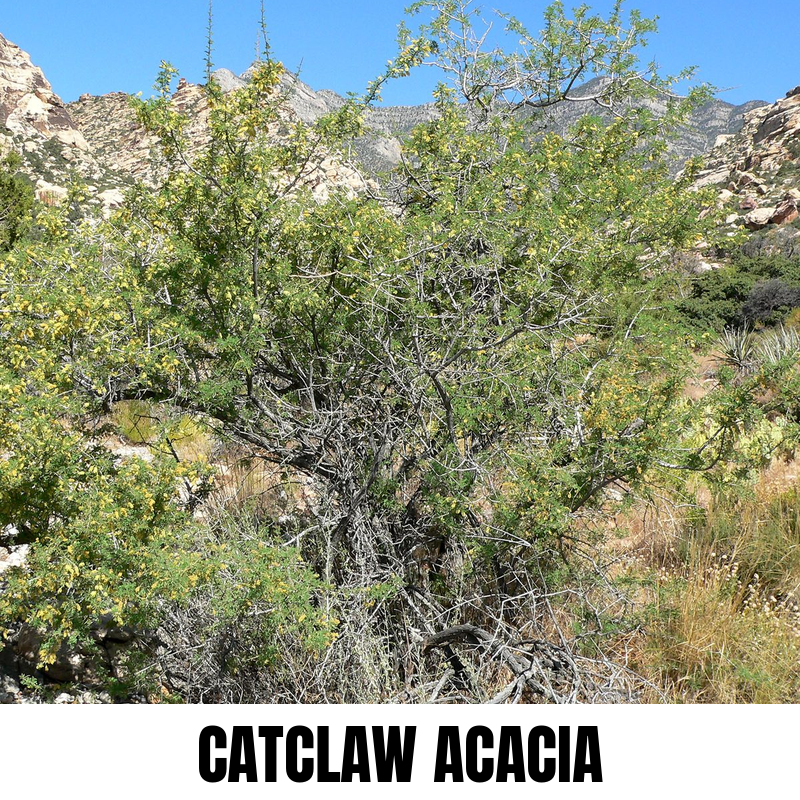
Brush - Range & Pasture - Catclaw Acacia
BES-TEX BRUSH ID GUIDE
Catclaw Acacia
Gregg's Catclaw, Texas Catclaw, Uña de Gato
Acacia greggii
Plant Type
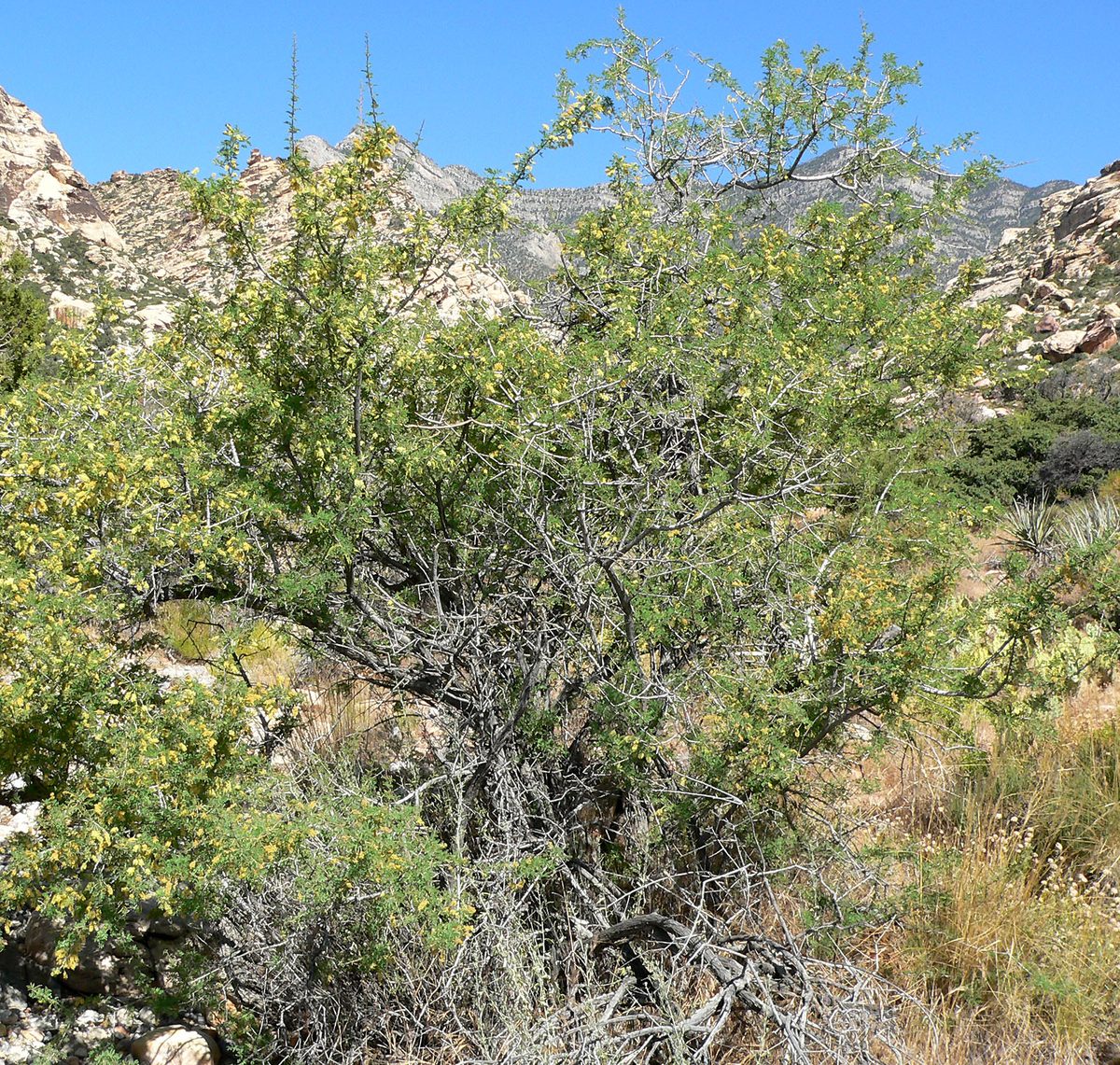
Thorny, thicket-forming shrub or small tree; legume family (Fabaceae)
Life Cycle
Perennial; native
Leaf Habit
[PLACEHOLDER]
Typical Height
Usually much smaller than its 30 ft maximum (Texas A&M)
Photo Gallery



How to Identify It
Quick ID
Leaves
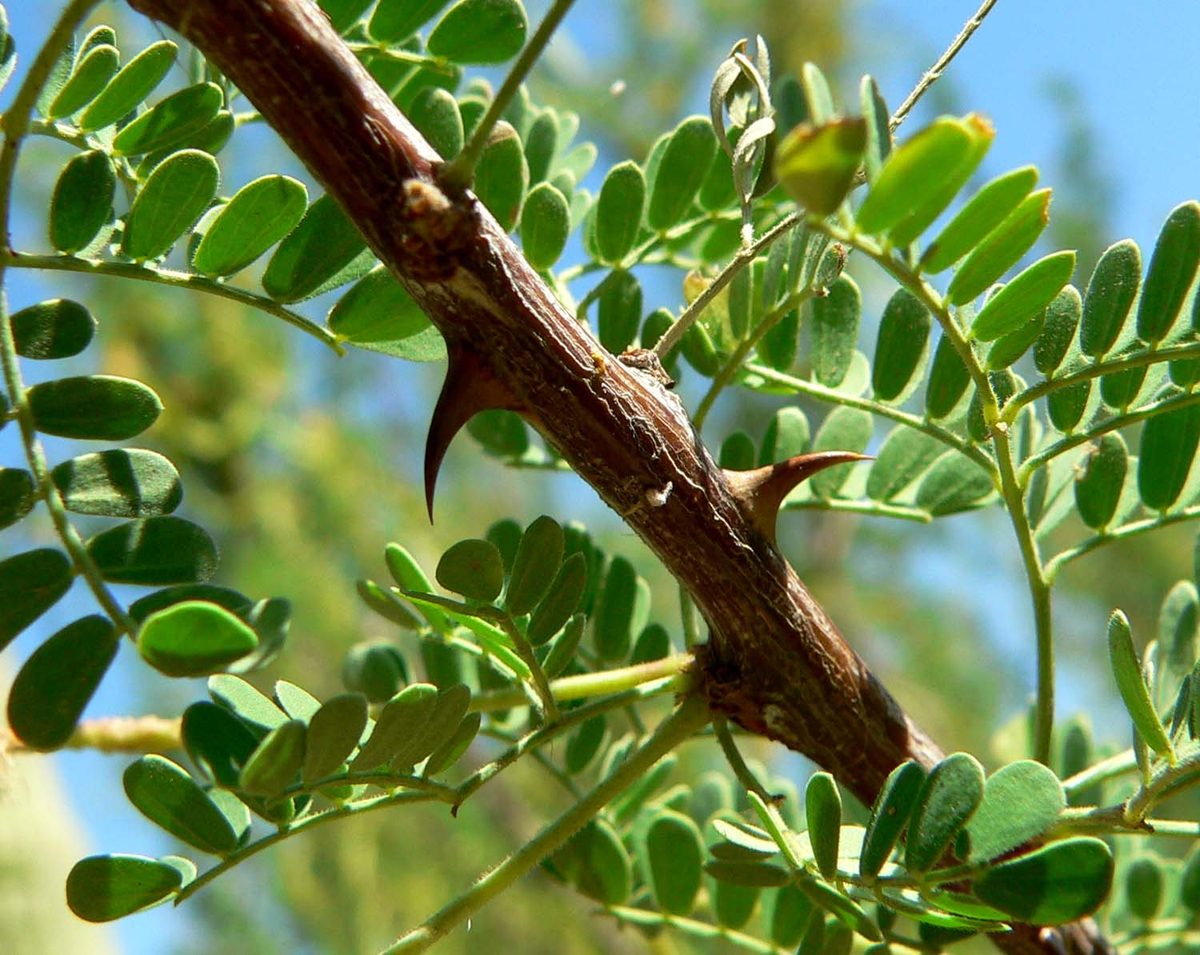
- Doubly pinnate (twice compound)
- 4 to 7 small leaflet pairs (Texas A&M)
Thorns
- Many thorns shaped like a cat claw, pointing upward
- Forms dense, hard-to-cross thickets (Texas A&M)
Flowers
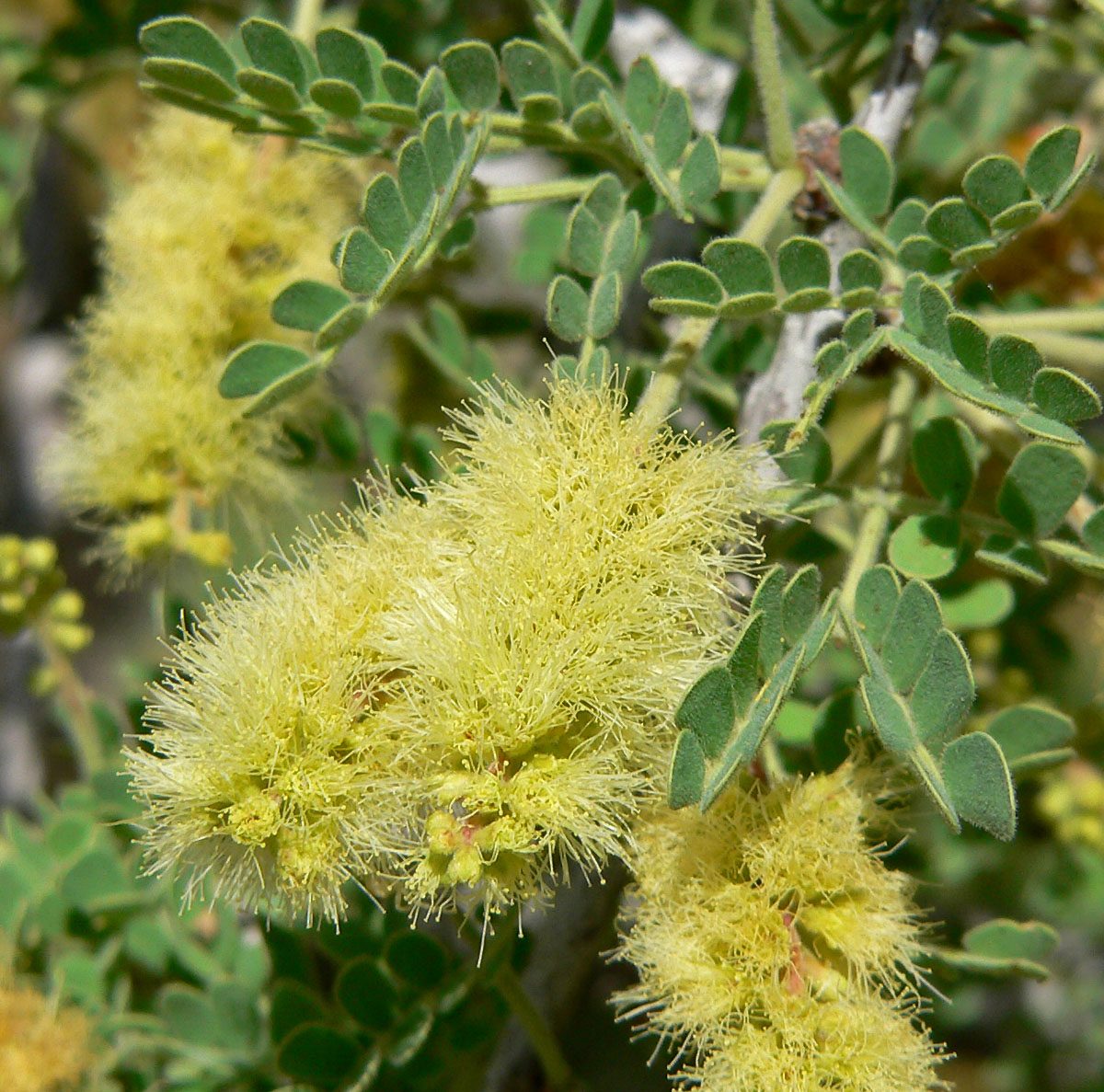
- Fragrant, pale white flowers, April to October (Texas A&M)
Pods
- Curling, contorted pods that persist July through winter
- 3 to 5 hard brown seeds per pod (Texas A&M)
Look-Alikes
Catclaw Mimosa
- How to tell it apart from catclaw acacia: [PLACEHOLDER]
Blackbrush
- How to tell it apart from catclaw acacia: [PLACEHOLDER]
Counter script: "If it is a thicket-forming thorny shrub with curved cat-claw thorns, twice-compound leaves, and twisted pods, it is most likely catclaw acacia."
Where It Grows
Texas
- Ecoregions (Texas A&M): Gulf Prairies and Marshes, South Texas Plains, Edwards Plateau, High Plains, Trans-Pecos
Oklahoma
- [PLACEHOLDER]
New Mexico
- [PLACEHOLDER]
Sites and soils: Dry, gravelly mesas with shallow caliche, arroyos, and deep alkali sand; extremely drought tolerant (Texas A&M).
Best Time to Control
Best treatment timing for catclaw acacia: [PLACEHOLDER]. Follow the product label.
Catclaw acacia is a woody perennial. No pre-emergent herbicide controls catclaw acacia.
Treatment Methods
Foliar / Broadcast
- Sendero (Corteva) lists Acacia spp.; broadcast rate 1.75 pt per acre (Sendero label)
- Individual-plant mix and timing: follow the label
Cut Stump
- Cut every stem flat, close to (not below) the soil surface
- Brush off soil and sawdust, then spray the cut surface and the sides of the stump right away
- Example product: Remedy Ultra (Corteva); Brush Busters lists catclaw acacia for this method
- Mix (Brush Busters): Remedy Ultra 15% (19 oz per gallon) in diesel or vegetable oil
Individual Plant vs. Broadcast
- Density guidance for this plant: [PLACEHOLDER]
- Follow the label for broadcast use
Product names are examples only. Always read and follow the product label. For product selection and help, contact BES-TEX at 325.653.1300.
Sources: Sendero label, EPA Reg. No. 62719-645 (Acacia spp.); Brush Busters: How to Avoid Lumps When Treating Cut Stumps (Texas A&M AgriLife); Texas A&M Plants of Texas Rangelands.